Electric Car Charger Rebates and Installations Orange County
Owning an electric automobile in Orange County is easy. Charging it well in the house or at your service is where the information matter. Between energy rate strategies, federal incentives with small print, panel capacity that may or may not handle a 48 amp battery charger, and permits that vary by city, a smooth EV battery charger installation in Orange County takes preparation. The payoff is real: faster overnight charging, lower energy costs on the right time‑of‑use strategy, and a setup that will serve the next cars and truck you buy, not simply the one you drive now.
I have actually installed numerous domestic and commercial charging systems throughout the county, from older cottages in Santa Ana with 60 https://juliustmfm980.cloudhinter.com/posts/restroom-exhaust-fan-electrical-wiring-and-installation-orange-county and 100 amp services to more recent tract homes in Rancho Mission Viejo and Irvine where the home builder pre‑ran channel however stopped short of the panel. I have actually likewise helped tenants in Anaheim and Costa Mesa convince their proprietors to include parking area battery chargers, and I have seen more jobs slowed by small primary panels than anything else. The following field notes are aimed at house owners, property managers, and small companies attempting to understand the rebates offered and the smartest way to construct out charging.
What counts as a good home charging setup
Think about what you actually need, not what the brochure states. A lot of Level 2 battery chargers provide in between 32 and 48 amps to the vehicle. A 32 amp battery charger on a 40 amp circuit adds roughly 25 miles of range per hour on numerous mid‑size EVs. A 48 amp, hardwired unit on a 60 amp circuit might include 35 to 40 miles per hour. If you get home by 6 and leave at 7 the next morning, both fill the tank. That difference matters just if you overdo everyday highway miles or stack two EVs on the exact same parking spot overnight.
I often advise a 40 amp circuit and a 32 or 40 amp battery charger for older homes with 100 or 125 amp main panels. It is the sweet area that prevents a panel replacement in a lot of cases while still providing a complete overnight charge. If you have a more recent 200 amp service and plan for two EVs, we take a look at a 60 amp circuit and a 48 amp hardwired unit or dual‑port clever battery chargers that load share. The option depends on cars and trucks, commute, and future upgrades like heat pump hot water heater or induction ranges that will likewise consume into your service capacity.
A quick example: a household in Mission Viejo purchased a 2nd EV, a midsize SUV. Their 200 amp panel already supported a pool pump, 2 air conditioning condensers, and an electrical oven. A load calculation revealed they could run one 48 amp battery charger, however a 2nd full‑rate system would push the service over the edge on hot afternoons. We set up a dual‑port smart battery charger that caps the pair at 40 amps combined and ties into a need reaction program. They charge both cars every night without a panel upgrade, and their utility bill dropped after transferring to a time‑of‑use EV plan.
The code information that journey people up
The National Electrical Code, section 625, makes EV charging straightforward but rigorous. A couple of points that matter in Orange County allows and inspections:
-
Dedicated circuits are non‑negotiable. A Level 2 charger requires its own breaker. A lot of 40 amp continuous loads utilize a 50 amp breaker and 6 AWG copper on a normal run, changed for distance and conditions, with 75 degree terminations where allowed. For 48 amp battery chargers on 60 amp circuits, upsizing conductors is common, especially on long terms to removed garages.
-
Continuous load rules apply. EV charging is dealt with as a continuous load, so the circuit must be sized to 125 percent of the battery charger's ranked current. That is why a 40 amp charger calls for a 50 amp breaker.
-
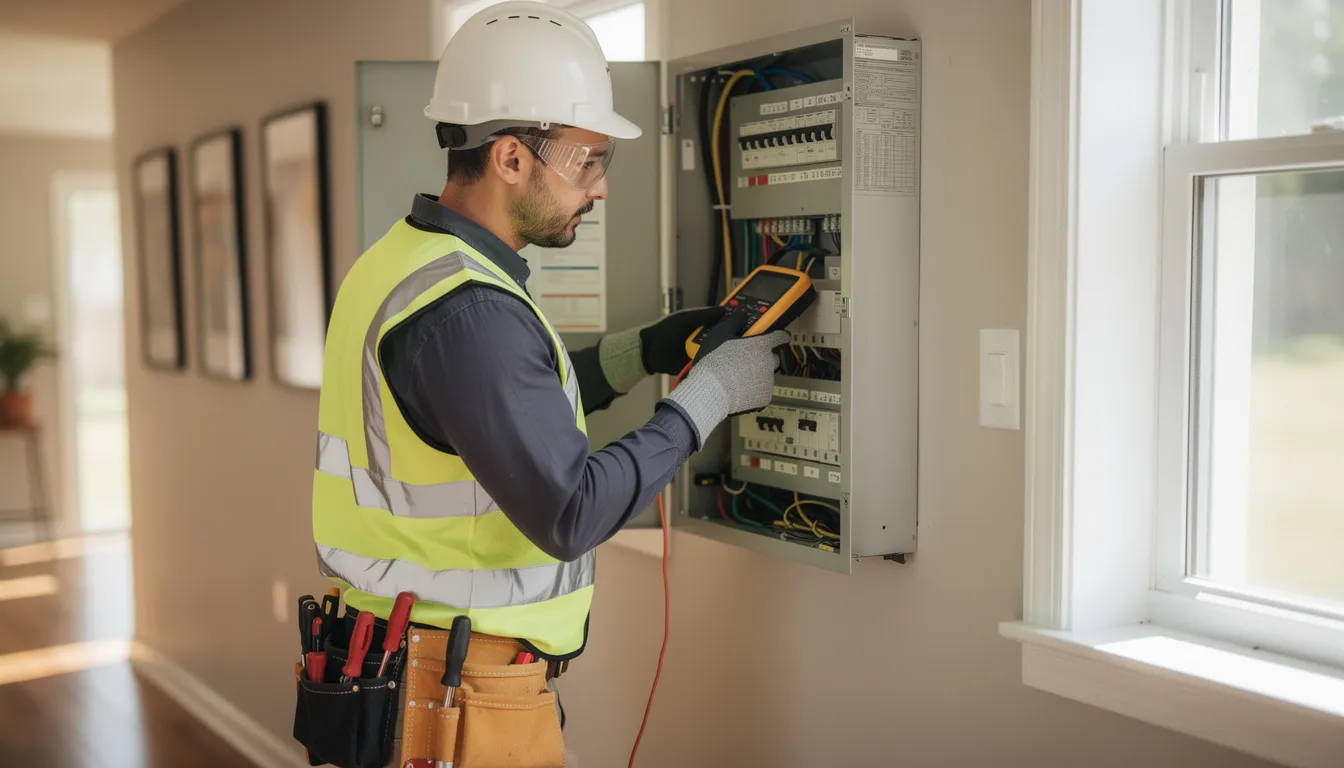
GFCI defense is developed into the majority of noted EVSE. Do not stack a GFCI breaker on top of a GFCI charger unless the manufacturer permits it. Numerous Orange County electrical examinations flag problem journeys from double protection.
-
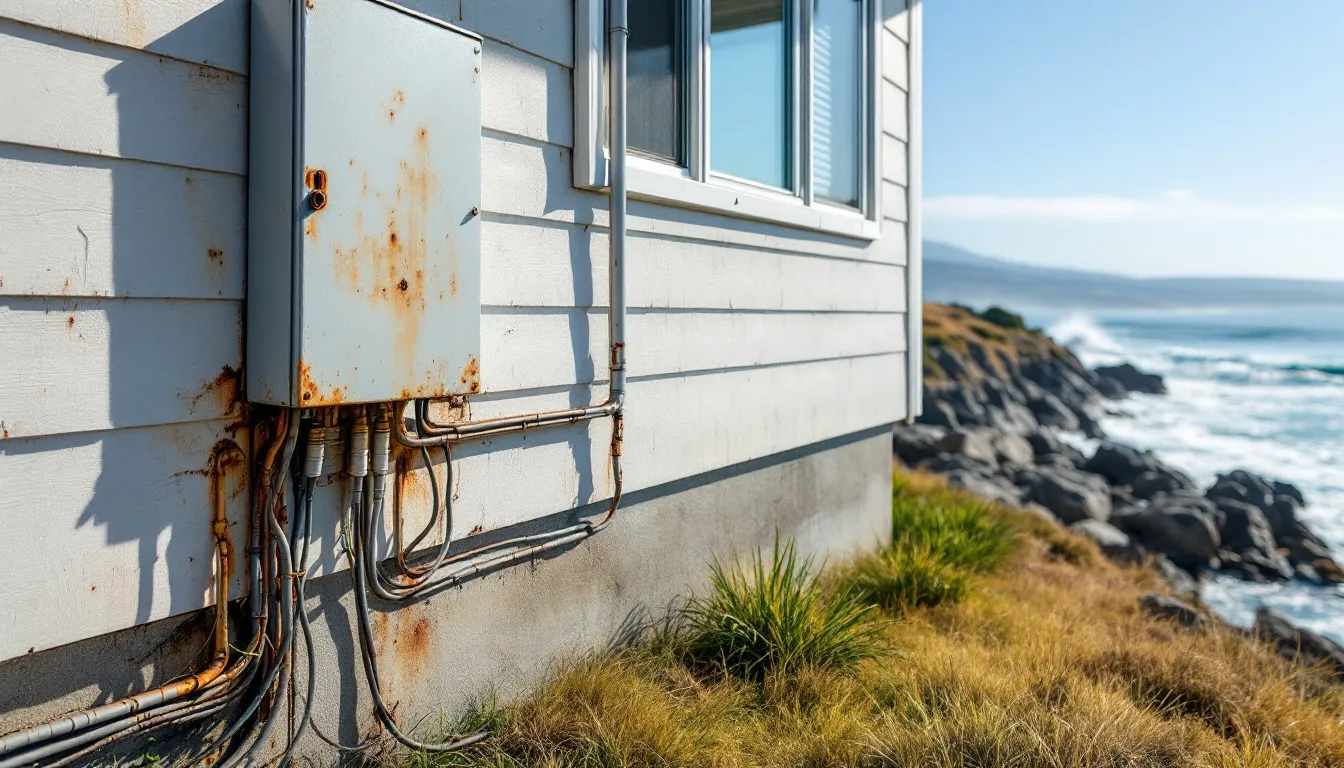
Outdoor installations need proper rankings. NEMA 3R or better enclosures outdoors, in‑use bubble covers for receptacles, and buried channel with appropriate depth. In seaside cities like Newport Beach or San Clemente, I prefer PVC conduit for deterioration, with a short metallic whip at terminations for bonding.
-
Load management is legal when done right. NEC 625 allows Energy Management Systems that limitation existing based upon the structure's service capability. This is a powerful tool for homes with 100 or 125 amp panels. A listed EVEMS, appropriately documented, can save you the cost and disruption of a full electrical panel upgrade in Orange County.
Every city sees a great deal of EV licenses. Irvine and Anaheim process them rapidly when the load calcs and spec sheets are clean. Smaller sized cities sometimes desire a website plan. It is not effort, however avoiding a detail welcomes a correction and a delay.
When a panel upgrade makes sense
Plenty of homes can add a 40 amp circuit without touching the primary service. When they can not, you weigh the expenses. A 200 amp electrical panel upgrade in Orange County normally runs in the low to mid four figures depending upon service area, meter socket condition, trenching for a transferred service mast, and energy coordination. If the existing panel is a remembered brand name or shows heat damage, a panel replacement in Orange County is a security upgrade that also future‑proofs the home for the next wave of electrification.
I typically see 100 amp services in older Santa Ana and Garden Grove homes that currently run an electrical variety, clothes dryer, and air conditioner. Those are tight. We can often carve out space by moving a hot water heater to gas or a heatpump on a devoted circuit with clever sequencing, however many households want simplicity. In those cases a tidy 200 amp upgrade with a modern load center and a lot of breaker areas is the much better investment. It sets well with EV charger installation in Orange County and clears the roadway for future loads like a backyard medical spa or a workshop.
Rebates and incentives that in fact help
Programs modification. Treat this area as a map, then verify the present amounts and eligibility on the program sites or with your energy. That said, these are the pails that matter today.
Federal tax credit for home EV charging, IRC Section 30C: The credit covers 30 percent of the expense of qualified EV charging devices and setup, as much as 1,000 dollars for people, and is presently licensed through 2032. After current changes, property eligibility depends upon the battery charger being installed in a qualified census tract, such as specific low‑income or non‑urban areas. Parts of Orange County qualify, many do not. We help clients examine addresses before they plan around this credit. Keep billings and the maker's certification declaration for tax filing.
Electric utility programs: Most Orange County addresses are served by Southern California Edison. The southern edge near San Clemente falls under SDG&E. Anaheim has its own municipal utility. The most useful incentives tie to among three levers: a rebate on the battery charger hardware or installation, a rate strategy that rewards off‑peak charging, or an involvement payment for demand response.
-
Southern California Edison: SCE frequently provides time‑of‑use EV rate plans that cut over night charging expenses and sometimes runs targeted rebates for income‑qualified customers or those in disadvantaged neighborhoods. Program names shift. SCE's broader EV programs, including Charge Ready for fleets and multifamily, can support commercial electrician Orange County jobs with make‑ready infrastructure on private property. For single‑family homes, examine SCE's existing EV page for any active home installation or panel assistance refund. Even when no rebate is offered, relocating to an EV‑specific TOU plan often saves more than a little one‑time refund over the first year.
-
Anaheim Public Utilities: Anaheim consumers sometimes have access to domestic Level 2 charger refunds and separate assistance for multifamily or workplace charging. The quantities and eligible devices lists alter with each funding cycle. Anaheim likewise runs education and outreach that can help HOAs structure jobs. If your residential or commercial property remains in the city of Anaheim, begin with their EV rebate page.
-
SDG&& E, for southern OC pockets: SDG&E's primary advantages for single‑family homes lie in its EV time‑of‑use rates and, in some years, targeted refunds for low‑income homes or multifamily setups. Business sites can take advantage of SDG&E make‑ready programs or off‑peak charging rewards. If your service bill carries the SDG&E logo design, confirm current EVSE refunds before purchasing.
State and regional programs: California has actually supported EV infrastructure through CALeVIP and air district grants. Funding opens and closes rapidly. Orange County companies, specifically hospitality and retail, have captured significant dollars in past rounds for dual‑port Level 2 and DC fast chargers. For 2026 preparation, we deal with state rebates as opportunistic: build a practical project initially, then layer grants when they open.
One more point on cars and solar: The federal 30 percent Residential Clean Energy Credit covers solar and battery storage, not EV chargers. That stated, adding a modest solar selection or a battery can improve your EV charging economics by stacking time‑of‑use arbitrage. It is not a charger refund, but it can provide larger lifetime savings.
How to position your task to catch incentives
These programs spend for documentation and clearness. The fastest approvals I see have clean one‑line diagrams, allows pulled by a certified electrician in Orange County with existing insurance coverage, and an easy summary of website conditions. If you are thinking about a refund, follow this path.
-
Verify eligibility first. Inspect your service address against any census tract requirement for the federal credit and validate your energy's active programs.
-
Lock scope and cost in writing. Rewards usually pay on evidence of purchase and setup. A clear proposal from an Orange County electrical contractor keeps the paperwork simple.
-
Pull the authorization. Most programs require allowed, inspected work. DIY installs danger both safety and refund eligibility.
-
Capture pictures and labels. Inspectors and refund customers both want evidence of make, model, identification number, and where the circuit lands in the panel.
-
File rapidly. Many programs are first come, initially served. Submit within days of assessment sign‑off, not weeks.
That list covers 9 out of 10 missteps we repair for new clients who chased a rebate after the fact.
Choosing the best charger for your home
The hardware market has developed. We install many brand names, and we prevent a couple of. There are 3 practical options for many homeowners.
Hardwired Level 2, 40 to 48 amps: Tidy look, weather‑resistant, and no receptacle heat concerns. Helpful for outside wall mounts and longer cable television runs. If you desire the complete 48 amp charge rate, hardwire is the right path.
NEMA 14‑50 plug‑in, 32 to 40 amps: The workhorse in connected garages. Flexible if you move. Make sure the receptacle and box are ranked for continuous load, the plug is secure, and the battery charger's cord reaches the automobile port without strain. I replace lots of stained 14‑50 receptacles that ran 40 amps for a year with a loose blade.
Smart chargers with load sharing: These matter when two EVs share a garage. The battery chargers communicate and split the available existing based upon which car needs juice. They can likewise limit existing instantly throughout your home's peak load duration, now recognized in code. Several brand names incorporate efficiently with SCE and SDG&E need reaction programs.
Avoid paying too much for Wi‑Fi bells and whistles you will never utilize. A steady app, trustworthy scheduling for time‑of‑use windows, and clear status lights beat a flashy user interface. For families that choose no apps at all, a basic, UL‑listed system with a manual amperage setting is perfect.
Commercial and multifamily jobs in Orange County
Workplace and multifamily charging reside in a different world. Here the conversation shifts from miles per hour to user management, uptime, signage, and ADA routes. A commercial electrical expert in Orange County will walk the website with you and map power sources, trenching constraints, bollard positioning, and how software will authenticate users. It costs more to set up in parking lots, however a well‑designed setup pays off in occupant fulfillment and, sometimes, brand-new revenue.
Property supervisors often want turnkey: design, permitting, trenching, bollards, striping, signage, and software application. Utilities tend to offer larger rewards here. SCE's industrial programs can money make‑ready infrastructure up to the stub, and air district grants have traditionally covered a part of the charger hardware. For older garden‑style apartments with thin electrical capability, we develop with load management so the structure prevents a primary service upgrade. 2 dual‑port stations that dynamically limit existing can serve a home far better than four independent full‑rate units that trip breakers every other week.
Small business owners deal with a simpler calculus. If you run a coffee shop in Huntington Beach and your consumers park for 45 minutes, Level 2 chargers make sense. If you run a logistics yard, DC quick chargers at the depot may validate a service upgrade and a transformer pad. We treat each website as its own puzzle.
Permits and assessments throughout the county
Most cities in the county have structured EV authorizations. Many accept over‑the‑counter or online submissions with a one‑line diagram, load calculation, charger data sheet, and a website sketch. The assessment itself is straightforward: appropriate breaker size, conductor sizing, torque specs, labeling, bonding, GFCI, and working clearances. An experienced residential electrician in Orange County will know the local preferences, like where inspectors desire the EV circuit labeled in the panel or whether they desire AFCI in mix areas. Anticipate a single examination within a couple of days of rough and last in one go to for simple installs.
Edge cases matter. In older homes with cloth‑insulated conductors or multiwire branch circuits, we often discover unrelated concerns while including a new circuit. That is why I spending plan time for electrical troubleshooting in Orange County homes when the history is unclear. It protects the house owner and avoids multiple inspector callbacks.
Cost varies you can plan around
Numbers vary by range to the panel, wall type, and whether we run within or outside. Still, most single‑family Level 2 setups fall into foreseeable ranges before rebates:
-
Same wall, brief run in attached garage, surface‑mounted conduit: typically the lower end of the range for professional labor and materials.
-
Opposite side of house or removed garage with trenching: mid to upper variety depending upon video footage and hardscape.
-
Panel complete or service undersized: add the cost for an electrical panel upgrade in Orange County or a listed load management device, whichever fixes the problem cleanly.
Material costs swing with copper costs. Where it makes good sense, EMT conduit on an interior wall can keep costs down compared to long PVC runs outside. For outdoor battery chargers exposed to sun and salt air, we define stainless fasteners and UV‑resistant fittings because swapping a rusted strap in year three expenses more than the few dollars conserved upfront.
Safety first, speed second
A few times a year, we get calls from house owners who tried a DIY set up or hired the cheapest professional they could discover through an advertisement for an economical electrician in Orange County. Signs are foreseeable: breakers that journey at random, warm receptacle deals with, a cable that will not seat, or even worse, a battery charger that failed in a rainstorm. Cutting corners on a 40 to 60 amp constant load is not worth it. A certified electrician in Orange County will size conductors properly, utilize noted fittings, pull the permit, and guarantee the work. The objectives are simple: it must be safe, peaceful, and tiring to use every day.
I keep a picture from a task in Tustin where a 14‑50 receptacle fed by 10 AWG wire served a 40 amp charger for eight months. The faceplate browned. The house owner believed the smell was the car. We reconstructed the run, hardwired a 40 amp unit on the correct circuit, and the issue vanished. No drama, simply appropriate materials and workmanship.
An easy preparedness checklist for homeowners
-
Know your panel rating and primary breaker size. A clear picture of the panel interior assists your contractor provide you a strong quote.
-
Decide where the cable should hang when the vehicle is parked. That area determines avenue path and battery charger orientation.
-
Check Wi‑Fi at the set up location if you desire a wise charger. A weak signal can be repaired with a mesh node before set up day.
-
Pull your last energy expense. We will move you to a time‑of‑use rate if it helps.
-
Plan for the next automobile. If another EV is most likely within two years, we pre‑wire or choose a charger that fill shares.
That five‑line list keeps projects quickly and avoids modification orders.
How a regional electrical expert improves the process
When individuals search for an electrical contractor near me in Orange County, they normally desire a crew that can deal with everything end to end. That consists of permitting, trenching if required, wall patching on basic inside runs, and coordination with the energy if a meter upgrade is included. A top rated electrical expert in Orange County will likewise assist you sift through incentives without overpromising. We check addresses for federal credit eligibility, point you to the best SCE or Anaheim page, and give you the paperwork those programs ask for.
For property owners who are reluctant about opening a panel, we schedule a brief site visit with a licensed electrical contractor in Orange County to validate the load estimation personally. If a project needs same day electrical expert Orange County service due to the fact that a breaker failed, we can support the situation as an emergency electrical expert in Orange County, then return for a neat, irreversible EV setup. We likewise bundle associated work when it includes value, like outlet setup in Orange County for tools in a garage workshop, ceiling fan setup in Orange County for a hot garage, or lighting installation in Orange County for driveway safety that matches a new battery charger. For customers planning larger remodels, we fold EV charging into entire home rewiring in Orange County, clever home circuitry in Orange County, and low voltage electrical wiring in Orange County to keep trades aligned.
On the commercial side, a skilled Orange County electrical contractor will deliver stamped drawings when needed, ADA layout compliance, and combination with payment software. For mixed‑use properties, we separate property and public charging with clear signs and bollards, and we tie systems into backup power where a generator setup in Orange County becomes part of the life security plan.
The bottom line on refunds and installs
Budget the project to stand on its own benefits, then treat incentives as benefit. A right‑sized circuit, a charger that matches your driving, and a tidy permit set will serve you for a decade. When a refund lands, take it. When it does not, the time‑of‑use savings still pay each month. If your panel is limited, choose whether to invest now or utilize an approved load management approach that holds the line. Either path is defensible if you base it on a genuine load calculation and a sincere discussion about future electrification.
If you are preparing an EV charger setup in Orange County, start with a fast picture set of your panel and parking area, plus an approximation of your everyday miles. A regional electrician in Orange County can turn that into a firm strategy in a day. With permits in hand, the manual labor typically takes half a day for a simple garage mount and a day or more for long exterior runs or trenching. Examinations are typically smooth when the work is done to code, with the ideal labels and torque, and the documentation remains in order.
And if your primary step is just figuring out whether a 32 amp charger will cover your commute, the answer in this county is almost always yes. Charge off peak, keep the cable off the flooring, and let the system do its peaceful work while you sleep.